


DUO and SON: How Megixtone Gives Time a Musical Language
DUO and SON are two names for the way Megixtone imagines a day. One describes the relationship between light and darkness; the other gives that changing relationship a musical voice. Together they form a personal language for observing time.
In the Megixtone calendar, thirteen months of twenty-eight days make 364 days. SON ATEM adds the final pause to the 365-day scheme. Within this symbolic architecture, each day can be considered as a distinct movement.
DUO and SON, two ways of reading a day
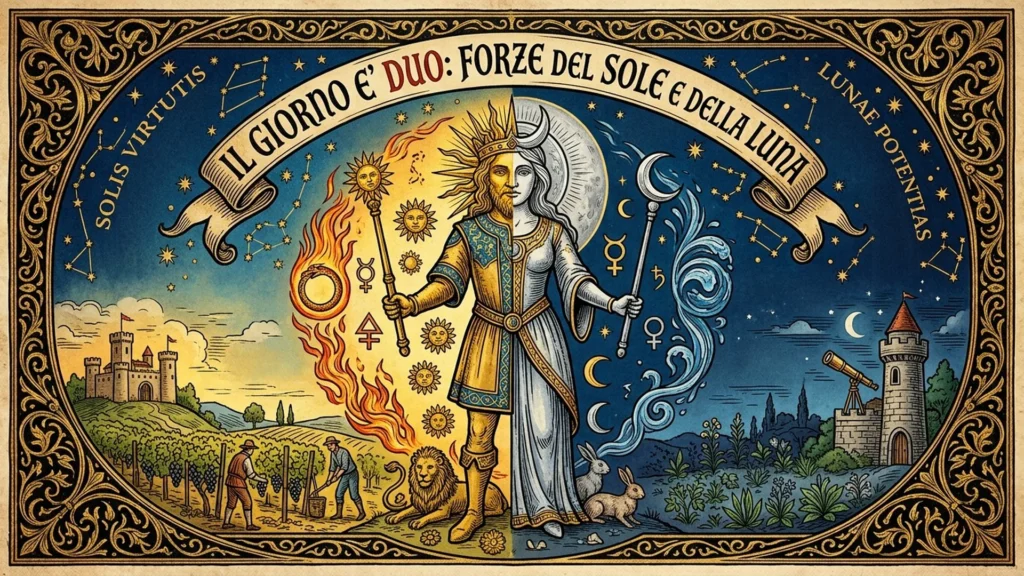
DUO names the pairing of daylight and darkness. Their changing duration provides a visible rhythm through the year, from winter’s shorter days to summer’s longer light.
The vineyard makes that passage tangible. A canopy, a shadow across the soil and the appearance of a bud all invite observation. The physiological life of a vine is real; DUO is the project’s way of turning attention towards it.
SON, inspired by the Latin sonus, introduces sound. Where DUO offers a proportion, SON suggests a mood, an intensity or a phrase. It is a poetic interpretation of the day, a way to imagine its character through sound.
A piece of music for each day
The concept associates each daily pairing with a piece of music: one DUO, one SON, one musical interpretation. Across the year, this becomes the idea of a sequence of 365 pieces.
Music can give form to differences that numbers alone do not convey. A sustained note suggests waiting; a pause can make the next sound more present. In the same way, looking at a vineyard repeatedly allows small changes to acquire meaning.
The connection does not depend on claiming that a particular frequency produces a particular flavour. It depends on the listener’s willingness to notice rhythm, contrast and duration.
Listening without a formula
For Megixtone, light and sound belong to a broader reflection on making wine. They offer images for the work’s changing pace and for the attention it asks of its creator.
DUO and SON give observation another vocabulary, carrying the dialogue between light and darkness into the act of listening. A day is no longer merely crossed off a calendar: it becomes something to look at, listen to and remember.