


Pictor’s Metamorphoses by Hermann Hesse: Love, Change, and Megixtone
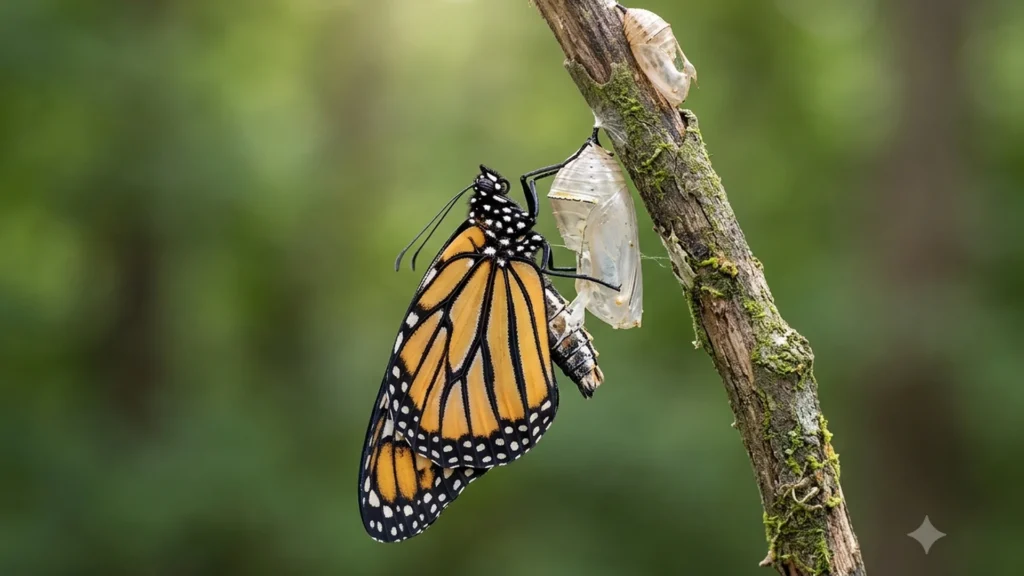
Pictor’s Metamorphoses Hermann Hesse and Megixtone share a simple question: what happens when a form refuses to remain final? Hesse wrote this illustrated love story in 1922 for Ruth Wenger, who would later become his second wife. The English edition introduces it as a tale of transformation and love.
From matter to change
In wine, transformation is not a special effect. It is a sequence of choices, temperatures, waiting, and restraint. The vine gives its fruit; time opens different possibilities; the person making the wine decides when to act and when to let change unfold.
Megixtone describes this as listening. The project does not try to make every vintage identical to the last. Instead, it seeks to recognise the singular character of each harvest. Consistency is not repetition; it is fidelity to a vision.
Pictor’s Metamorphoses Hermann Hesse and the risk of standing still
In Hesse’s story, Pictor becomes a tree and discovers the sadness of a form that can no longer evolve. It is not a literal wine lesson, but it offers a useful way to approach a glass: a great wine is never static. It changes in the glass, in memory, and in conversation.
That is why tasting deserves time. Letting a wine breathe, watching its colour, returning to its aromas: these small gestures give time its proper place. Megixtone proposes a relationship with wine that reaches beyond possession and becomes an experience of attention.
Care as a shared language
The bond between land, vineyard, and person is not a perfect fairy tale. It is made of care and responsibility. Metamorphosis names the passage from grape to wine, from waiting to choice, and from bottle to the moment it is opened.
Read more about a wine that changes your life, or explore how to request access. With Megixtone, access is not a cart transaction; it is the beginning of a private conversation.